You’d never guess that a simple ceramic rod helps make your smartphone, pumps, and even aircraft engines more reliable. These rods work as thermocouple protectors in furnaces, precision plungers in fluid metering systems, wear-resistant guides in textile looms, and structural insulators in aerospace. They outperform metals where heat, wear, or purity is critical. These components are part of the world of Precision Ceramic manufacturing, where advanced materials solve industrial challenges. Let’s explore four specific roles where ceramic solid rods quietly outperform expectations.
Ceramic rods protect thermocouples in furnaces where metals fail under heat above 1000°C.
In semiconductor manufacturing, ceramic rods maintain tight tolerances and resist chemical attack.
Textile mills use ceramic guide rods to reduce yarn wear and extend machine life.
Aerospace relies on ceramic rods for insulation and weight-saving rotor shafts.
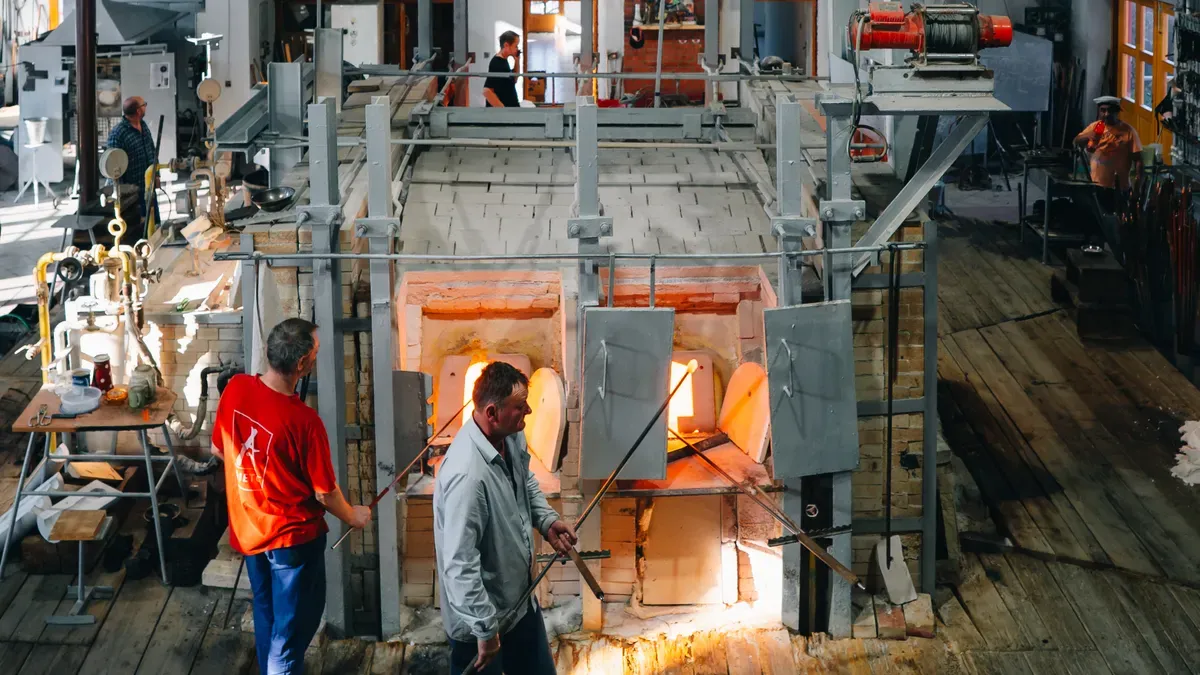
You place a ceramic solid rod inside a furnace to do a job that no metal part can handle. That rod becomes a thermocouple protection tube, shielding the delicate sensor wires from direct flame, corrosive gases, and extreme temperatures. Metals soften, oxidize, or melt at the conditions you encounter inside industrial kilns, heat-treating ovens, and glass-melting tanks. Ceramic materials do not. They maintain their structural integrity when the environment pushes well beyond one thousand degrees Celsius.
Consider the numbers that define this capability:
Material: Al₂O₃, BN, Si₃N₄, ZrO₂
Max. Service Temperature: 1000–2000 °C
You select the specific ceramic based on your process temperature. Alumina (Al₂O₃) serves you reliably at the upper end of the material’s operating range, while zirconia (ZrO₂) extends your range even higher. Silicon nitride (Si₃N₄) offers you an excellent combination of thermal shock resistance and mechanical strength. These rods do not degrade from rapid heating or cooling cycles. Their low thermal expansion coefficient means they resist cracking when you plunge them into a hot zone or pull them out for inspection.
You also rely on ceramic solid rods as heating element supports in furnaces. In this role, they hold the electrical heating wires or elements in precise positions. The rods must not conduct electricity, and they must not react with the element material at high temperatures. Ceramics satisfy both requirements. Molybdenum disilicide heating elements, for example, operate near 1800 °C; you need a support that stays rigid and non-conductive. A ceramic rod does exactly that. It prevents sagging, short circuits, and contamination of the heated workpiece.
These applications demand more than simple heat resistance. You require dimensional stability over thousands of hours. You require chemical inertness so the rod does not introduce impurities into your process. Ceramic solid rods deliver these properties consistently. When you design a furnace system, you know that the support tubes and thermocouple sheaths will outlast any metal alternative by a wide margin.
You need components that hold microscopic tolerances when you manufacture semiconductors. Ceramic Solid Rods serve as wafer handling tools, vacuum chuck components, and structural supports inside photolithography equipment. These rods resist chemical attack from etching gases and cleaning agents. They also maintain dimensional stability during rapid thermal cycling. Material selection matters enormously here. You match the ceramic's coefficient of thermal expansion (CTE) to silicon whenever possible.
|
Ceramic Material |
CTE (×10⁻⁶/K) at 20–300 °C |
|---|---|
|
Silicon Carbide (SiC) |
2.3 |
|
Silicon Nitride (Si₃N₄) |
~3.7 |
|
Aluminum Nitride (AlN) |
4.2–5.6 |
|
Alumina (Al₂O₃) |
7.2–7.5 |
|
Zirconia (ZrO₂) |
~10 |
Silicon Carbide provides a thermal expansion match to silicon. You find SiC in wafer carriers, vacuum chucks, and CMP blocks. Silicon Nitride and Aluminum Nitride work as structural or mounting components in photolithography and wafer processing. Their low CTE ensures dimensional stability during rapid thermal cycling. Aluminum Nitride closely matches silicon, which reduces thermal stress in semiconductor manufacturing. Alumina with its higher CTE matches Kovar for hermetic feedthroughs and electronic packages.
Hexoloy® SiC ceramics provide mechanical, thermal and chemical stability as wafer carriers, oxidation furnace liners, thermocouple protection tubes, and vacuum chucks. These applications take advantage of Hexoloy silicon carbide's thermal expansion match to silicon, high elastic modulus, chemical inertness, and high thermal conductivity.
Fluid metering systems demand similar precision. You use ceramic solid rods as plungers and pistons inside metering pumps. These rods slide against cylinder walls thousands of times per hour. Metals wear, gall, or corrode. Ceramics do not. Their extreme hardness and smooth surface finish minimize friction and seal leakage. You also deploy them as wear-resistant guide components in analytical instruments and medical dosing equipment. The rod maintains its diameter over millions of cycles. That consistency protects your process accuracy and extends pump service life.
High-speed textile looms operate at extreme cycle rates. Yarn passes over guide rods thousands of times per minute. Metal rods wear quickly under this constant abrasion. You need a material that withstands continuous friction without degrading. Ceramic Solid Rods provide exactly that capability.
Your textile production depends on consistent yarn quality. A worn guide rod creates surface imperfections. These flaws break threads or degrade fabric appearance. You cannot afford frequent stoppages or rejected rolls. Ceramic rods solve this problem. Their extreme hardness resists the abrasive action of both synthetic and natural fibers. The material does not deform under load. It maintains its precise diameter over extended production runs.
Surface finish matters enormously in this application. You need a smooth running surface to reduce yarn friction. Industry standards specify a mirror-polished finish for these components.
Mirror-polished surface finish with Ra ≤0.4μm is required to reduce yarn abrasion.
Advanced ceramic manufacturers exceed this baseline requirement. They produce rods with surface roughness below 0.1 μRa. Such a finish minimizes fiber damage and extends rod service life dramatically.
Mirror-polished running surfaces with surface roughness below 0.1 μRa are available to achieve the required finish.
You also deploy ceramic rods as tension components in textile machinery. These parts maintain precise yarn tension during weaving. Metal tension pins develop grooves over time. These grooves cause inconsistent tension across the fabric width. Your final product quality suffers. Ceramic Solid Rods maintain their original geometry for millions of cycles. Their smooth surface ensures consistent friction. Every meter of fabric experiences the same tension profile.
The benefits extend beyond simple wear resistance. Ceramic rods do not corrode. Textile environments contain moisture, dyes, and chemical treatments. Metal parts rust or pit under these conditions. Ceramics remain chemically inert. They also resist static charge buildup. This property prevents yarn tangling and dust attraction during processing.
Installing ceramic guide rods reduces your maintenance frequency significantly. You replace metal guides frequently, while ceramic guides last months or years. The initial cost difference pays for itself many times over through reduced downtime, lower spare parts consumption, and improved product quality.
You find ceramic solid rods performing critical roles inside aircraft and spacecraft systems. As electrical insulators, these rods isolate sensitive components from current flow. They withstand the vibration and temperature swings of flight without conducting electricity. You rely on them in avionics, ignition systems, and sensor assemblies. Their dielectric strength prevents short circuits in environments where failure carries severe consequences.
Ceramic rods also serve as small notched rods for core production. Manufacturers use these rods as mandrels or formers when creating hollow composite structures. The notches hold fibers or prepreg layers in precise alignment during layup. Once the composite cures, you remove the rod and leave a perfectly formed internal channel. This technique produces lightweight structural elements for wings, fuselage sections, and engine nacelles.
Rotor shaft applications demand exceptional precision. You need a Ceramic Rod For Rotor that maintains balance at high rotational speeds. Ceramic materials offer a superior strength-to-weight ratio compared to steel. This property reduces centrifugal loads on bearings and supports. The rod resists wear from constant rotation against seal surfaces. It also tolerates the thermal gradients between hot engine sections and cooler bearing zones.
You select ceramic solid rods for these aerospace roles because metals fall short. Steel corrodes. Aluminum wears quickly. Titanium conducts heat into sensitive areas. Ceramics remain dimensionally stable across wide temperature ranges. They do not gall or seize against mating components. Their low density helps you meet strict weight budgets. Every kilogram saved improves fuel efficiency and payload capacity.
Quality control matters enormously in aerospace. You verify each rod's dimensions, surface finish, and material properties before installation. Non-destructive testing confirms internal integrity. Traceability documents every step from powder preparation to final machining. These rigorous standards ensure that ceramic rods perform reliably through thousands of flight hours. When you design aerospace systems, ceramic components give you confidence that critical functions will not fail.
You have seen ceramic solid rods protect thermocouples in furnaces, guide wafers in semiconductor plants, reduce yarn wear in textile looms, and insulate aerospace systems. These rods are hidden champions. They solve problems where metals fail under heat, friction, or purity demands. For engineers seeking custom solutions, reliable Ceramic Solid Rods are available from specialized manufacturers. What other industrial parts could be improved by swapping metal for ceramic?
You choose alumina for service at the upper end of the material’s operating range. Zirconia extends your range higher. Silicon nitride gives you excellent thermal shock resistance and mechanical strength. Each material resists rapid heating and cooling cycles without cracking.
You use these rods as plungers and pistons inside metering pumps. Their extreme hardness and smooth finish minimize friction and seal leakage. The rod maintains its diameter over millions of cycles. That consistency protects your process accuracy and extends pump service life.
Metal guides wear quickly under constant yarn abrasion. Ceramic rods resist this wear far longer than metal guides, maintaining their surface for extended production runs. Their mirror-polished surface reduces fiber damage. They also resist moisture, dyes, and chemical treatments. You replace them far less often.
You need balance at high rotational speeds. Ceramic materials offer a superior strength-to-weight ratio compared to steel. This property reduces centrifugal loads on bearings. The rod resists wear from constant rotation and tolerates thermal gradients between hot and cool zones.
No. You rely on their dielectric strength to isolate sensitive components from current flow. They withstand vibration and temperature swings without conducting electricity. This property prevents short circuits in avionics, ignition systems, and sensor assemblies.

24/7 Call Service +8618018373518
이메일 : yxshenxing88@vip.163.com
주소 : No. 2022, Baoyang Road, Chuanbu Industrial Zone, Yixing City, Wuxi City, Jiangsu Province


 2025-10-14
 2025-10-14
메시지를 남겨주세요
Wechat으로 스캔 :

WhatsApp으로 스캔 :