Why Are Ceramic Solid Rods Perfect for Hot and Corrosive Places?
Nov 11, 2026
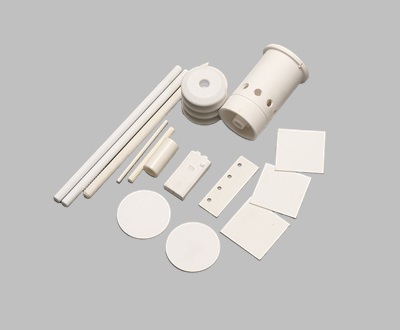
Ceramic solid rods are perfect for hot and corrosive places because of three combined traits: exceptional thermal stability, chemical inertness, and mechanical durability. These traits let ceramic rods hold their shape and strength where heat, acids, and wear destroy ordinary materials. You will see how each trait works under real heat and chemical attack. You will also learn how to match a rod to your temperature and chemical exposure, so you can choose with confidence. Precision ceramic families such as alumina and zirconia give you a reliable starting point, and the right grade turns these ceramic rods into long-lasting components for the toughest environments.
Key Takeaways
Ceramic rods stay strong and keep their shape even at very high temperatures.
They resist attacks from acids, alkalis, and oxidation, so they last longer in harsh chemicals.
Ceramic rods provide excellent electrical insulation, making them safe for high-heat electrical applications.
Choose the right ceramic grade for your specific temperature and chemical exposure to ensure long service.
Ceramic rods outperform metals and polymers in corrosive and high-wear situations, saving maintenance costs.
Why Ceramic Solid Rods Stand Out
Heat and Wear Properties
Ceramic solid rods owe their edge to a set of core properties. They have a high melting point, low thermal expansion, high hardness, and strong wear resistance. These traits support a long service life in harsh environments. A high melting point means the rod keeps its solid form at heat levels that soften metals. Low thermal expansion means the rod changes size very little as it warms up. High hardness provides abrasion resistance. Wear resistance keeps the surface intact after repeated contact with moving parts. Together these properties give ceramic rods a clear advantage over softer materials.
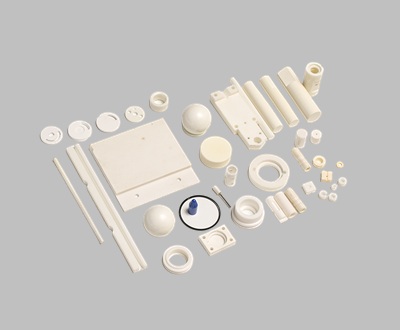
Advanced technical ceramics include carbides, borides, and nitrides for extreme-heat use. Alumina and zirconia are common rod materials. Alumina offers a good balance of hardness and cost, and you can specify an Alumina Ceramic Solid Shaft for rotor-type duties. Zirconia ceramic rods add toughness and resist cracking under stress. You will find ceramic rods in these families across many industrial roles. High strength ceramic rods suit load-bearing positions. Each grade brings its own mix of properties, so you can match the rod to the job. A technical ceramic grade with fine grain also improves surface finish and dimensional control.
Chemical Stability and Hardness
Chemical stability defines how well a material resists attack by acids, alkalis, and oxygen. Ceramic rods show strong chemical stability in demanding environments. They do not react with most chemicals, so they keep their structure. This resistance protects the rod from corrosion and surface decay. A non-reactive surface also prevents contamination of the process around it. You can place ceramic rods in contact with aggressive fluids without fear of the rod breaking down.
Hardness and inertness work together. A hard surface resists mechanical damage, and a stable surface resists chemical damage. Ceramic rods hold both qualities under high heat. That combination makes them reliable in extreme environments. Thermal stability keeps the rod from warping as the temperature swings. You get a rod that stays clean, strong, and dimensionally stable over time. These ceramic rods deliver consistent performance where other materials would fail.
Ceramic Rods in High-Heat Environments
Thermal Shock and Strength Retention
Heat alone rarely breaks a part. Rapid temperature swings do the damage, and that is where ceramic rods prove their value. These materials maintain strength at temperatures over 1500°C. They also show excellent thermal stability and thermal shock resistance. You can move a rod from a cold bench into a hot zone without the cracking that ruins weaker materials.
The reason lies in the crystal structure. Advanced ceramics bond strongly at the atomic level, so the material resists softening as heat rises. Low thermal expansion limits the internal stress that a sudden temperature change creates. That combination delivers extreme temperature resistance in real service. An industrial ceramic rod holds its shape through repeated heating and cooling cycles. It also avoids high-temperature degradation that shortens the life of many alternative materials.
Consider a metallurgy application. A rod sits near a melt zone and cycles between shifts. Ceramic rods keep their dimensions and their load-bearing capacity through thousands of cycles. You get predictable performance instead of gradual sag or fracture.
Insulation and Stability
Heat often arrives with electricity, and ceramic rods handle both. Alumina ceramic rods provide strong electrical insulation even at high temperatures. This property makes them useful in high-temperature furnaces, where heating elements sit close to structural parts. The rod isolates current while it supports the load. Semiconductor manufacturing relies on the same trait. Process chambers demand clean, non-conductive supports that hold position under heat, and ceramic rods meet that demand.
Dimensional stability matters just as much. A rod that grows or warps with heat throws off alignment in precision equipment. Ceramic rods keep their tolerances across the working range. You can specify an Alumina Ceramic Solid Shaft for rotor-type duties that combine heat with rotation. The shaft keeps its balance and its fit as the temperature climbs.
Three forms of electrical insulation matter here: bulk resistivity, surface resistivity, and dielectric strength. Ceramic rods perform well on all three. That is why designers trust them in plasma tools, diffusion furnaces, and high-vacuum systems. The material also resists corrosion from process gases at elevated heat. You get one part that insulates, supports, and survives the environment.
High-temperature stability ties these points together. A stable rod protects the equipment around it. It also protects your process yield. Ceramic rods earn their place wherever heat and electrical isolation meet.
Corrosion Resistance in Harsh Chemicals
Acids, Alkalis, and Oxidation
Ceramics often resist certain chemicals better than metallic compounds do. That advantage makes them a natural fit for corrosive applications, and in many cases they can replace alloys that struggle in the same service. This is not a knock on metals. Metals serve well in countless roles. The point is fit: where aggressive chemistry dominates, ceramic rods bring a level of corrosion resistance that metals rarely match.
Acids test a material's will to survive. Ceramic rods hold up against most mineral and organic acids, even at high temperatures. Alkalis pose a different challenge, and alumina grades resist them well. Oxidation attacks many materials from the outside in, yet oxide ceramics already exist in their oxidized state, so oxygen has little to take. You get a rod that shrugs off chemical attack from all three directions. That is exactly what a corrosive place demands. Acid resistance and alkali resistance both come from the same bond strength, and that resistance holds as the temperature climbs.
A Non-Reactive Surface
A non-reactive surface changes the game. Ceramic rods do not leach ions into a process bath, and they do not absorb the chemistry around them. This inherent chemical inertness keeps your process clean. It also keeps the rod's own properties intact over years of service. Chemical inertness of this kind supports chemical stability across the full service life, and it blocks the slow corrosion that eats metal parts from within. You get a surface that stays passive instead of breaking down.
Consider a plating line. Metal racks corrode and shed particles into the bath. Ceramic rods stay intact, so the bath chemistry stays stable and the product stays clean. Consider a chemical reactor that handles mixed acids at elevated heat. The rods inside keep their dimensions and their strength. Each example ties back to the same question: what survives a corrosive place? The answer is a material with chemical and corrosion resistance built into its structure. That built-in chemical resistance also protects the parts around the rod.
Three mechanisms explain the performance. First, strong atomic bonds resist chemical attack at the surface. Second, the material lacks free electrons that drive electrochemical corrosion. Third, a stable oxide layer seals the surface against further reaction. Together these mechanisms deliver exceptional corrosion resistance in acids, alkalis, and oxidizing media. You can specify ceramic rods for wet benches, exhaust scrubbers, and pickling lines with confidence. The material also resists corrosive agents in vapor form, which matters in fume-heavy plants. Field experience confirms the pattern: corrosion damage stays minimal even after long exposure.
One caution applies. No single grade covers every chemistry. Hydrofluoric acid attacks oxide ceramics, so you must check the grade against the specific corrosive agents in your process. Match the material to the exposure, and ceramic rods will outlast the alternatives by a wide margin. That match is the real secret to long service in corrosive places, and it turns corrosion from a maintenance headache into a solved problem. A grade chosen for the chemistry gives you corrosion resistance you can plan around.
Ceramic vs. Metal and Polymer Rods
Alumina Ceramic Rods and High Strength Ceramic Rods
Each material family fits a different job. Steel brings toughness and easy machining. Polymers bring light weight and low cost. Ceramic rods bring superior corrosion resistance and hardness in aggressive conditions. You should read that as a statement of fit, not a ranking. A steel shaft still wins where impact loads dominate. A polymer rod still wins where budget and weight drive the design.
Criterion
Ceramic
Metal
Polymer
Heat ceiling
Very high
Moderate to high
Low
Chemical attack
Excellent
Grade dependent
Selective
Hardness and wear resistance
High
Moderate
Low
Electrical insulation
Excellent
Conductive
Good
Cost
Higher upfront
Moderate
Low
Alumina ceramic rods give you a strong general-purpose option. They handle heat, acids, and abrasion at a sensible cost. High strength ceramic rods add load capacity for structural positions. High strength ceramic rods also hold tolerance under vibration. Zirconia ceramic rods add toughness where cracking risk runs high. Zirconia ceramic rods suit cyclic stress and sharp temperature swings. An industrial ceramic rod in any of these grades covers most plant duties.
Choosing the Right Rod
Start with five criteria: temperature range, chemical exposure, load, tolerance, and diameter. Check the peak temperature first, then the cycle pattern. List every corrosive agent in contact, including vapors and cleaning fluids. Confirm the load, both static and dynamic. Set the tolerance your assembly needs. Fix the diameter against the bore or housing.
Technical ceramics reward an early material review. Bring your process data to the supplier and ask for a grade recommendation. Verify electrical insulation needs at the same time. Then confirm the finish and straightness against your drawing. This sequence keeps corrosion and wear resistance aligned with real service conditions.
Solid ceramic solid rods combine thermal stability, chemical inertness, and mechanical durability. That trio explains why they suit hot and corrosive places so well.
The body proved the case step by step. Core properties drive heat performance, ceramic rods hold strength and insulation at extreme temperatures, and their corrosion resistance beats alloys in aggressive chemistry. A fair comparison showed where metals and polymers still fit best.
Match the grade and dimensions to your peak temperature and chemical exposure. You can then select Ceramic Solid Rods with confidence, knowing ceramic rods will hold their shape and their surface for years.
FAQ
What makes ceramic rods suitable for high-heat service?
These materials keep their strength above 1500°C and resist thermal shock. Low thermal expansion limits internal stress during rapid temperature swings. You get a rod that holds its shape through repeated heating and cooling cycles.
Do ceramic rods resist acids and alkalis equally?
Most grades handle mineral and organic acids well, and alumina grades resist alkalis. Oxide ceramics also shrug off oxidation. Check the grade against your specific chemistry first, because hydrofluoric acid attacks oxide ceramics.
Can ceramic rods insulate electricity at high temperature?
Yes. Alumina grades provide strong electrical insulation even when hot. Bulk resistivity, surface resistivity, and dielectric strength all stay high. That is why ceramic rods serve in furnaces, plasma tools, and semiconductor process chambers.
Which grade should you choose for a corrosive plant?
Match the grade to your exposure. Alumina covers most acid, heat, and wear duties at sensible cost. Zirconia adds toughness for cyclic stress. High strength ceramic rods carry structural loads. Confirm temperature, chemistry, load, tolerance, and diameter before you order.
How do ceramic rods compare with metal and polymer options?
Ceramic rods win on corrosion resistance and hardness in aggressive conditions. Steel still fits impact loads, and polymers fit low-cost, lightweight designs. Weigh heat ceiling, chemical attack, and insulation needs against upfront cost.







 2025-10-14