기치

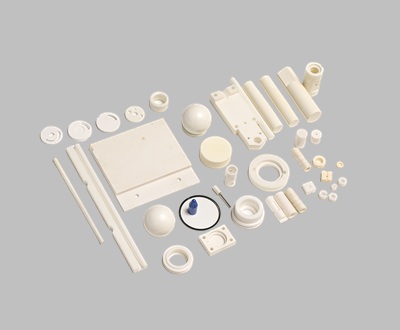
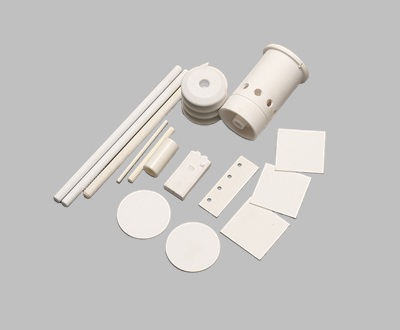
세라믹 밸브 플레이트

세라믹 밸브 플레이트

  • How Do Advanced Ceramic Components Prevent Failure in Extreme Industrial Fluid Systems? Apr 30, 2026
    In modern chemical processing, slurry transport, and semiconductor wafer cleaning processes, fluid handling systems have long faced a core and expensive engineering pain point: the dual attack of highly corrosive compounds and high-hardness suspended abrasive particles. The material wear rate of traditional 316L stainless steel, or even Hastelloy, often exceeds engineering expectations when facing these extreme operating conditions. Frequent downtime not only drives up direct maintenance budgets, but the productivity loss caused by unplanned shutdowns is often tens of times the hardware cost.   To break through this bottleneck, fluid equipment engineers are adopting advanced technical ceramics (especially high-purity alumina and zirconia) on a large scale to replace traditional metal wear parts. Advancements in material science mean these ceramic components are no longer just "high-temperature insulators," but have become key mechanical components for resolving tribological failures and chemical degradation. Failure Mechanisms of Conventional Throttling and Injection Components in Abrasive Fluids In systems involving high-pressure injection or quantitative dosing (such as metering pumps or high-pressure cleaning equipment), fluids experience severe pressure drops and velocity surges when passing through narrow channels. These fluid dynamics changes are highly prone to causing cavitation—the instantaneous implosion of microscopic bubbles within the fluid, which generates an extremely strong micro-jet impact on the component surface.   When the fluid contains abrasive particles such as diatomaceous earth, quartz sand, or metal shards, the inner diameter of metal nozzles expands at a visible rate, directly leading to system flow control failure and surging energy consumption. At this juncture, introducing a Zirconia Ceramic Nozzle for Pump is currently the most effective mitigation strategy. Zirconia (typically Yttria-stabilized tetragonal zirconia polycrystal, Y-TZP) not only possesses extremely high surface hardness but also features a unique "transformation toughening" effect. When subjected to microscopic impact, its crystal structure undergoes volume expansion, thereby absorbing the energy of crack propagation. This makes it not only wear-resistant but also highly resistant to brittle fracture under high-frequency jet impacts. Nozzle / Throttle Material Vickers Hardness (HV) Fracture Toughness (MPa·m1/2) Annual Bore Wear Expansion Rate Estimated Effective Lifecycle 316L Stainless Steel ~200 High (Metal Ductility) 18.5% 3 - 6 Months Tungsten Carbide (WC) ~1500 4.5 - 6.0 4.2% 12 - 18 Months Yttria-Stabilized Zirconia (Y-TZP) ~1200 8.0 - 10.0 < 1.0% Over 36 Months   Static and Dynamic Sealing Design in Highly Corrosive Conditions Beyond physical wear, another major failure point in chemical pumping systems (such as those handling hydrochloric acid over 30% concentration, high-temperature sulfuric acid, or hydrofluoric acid) is the valve system. Traditional Polytetrafluoroethylene (PTFE) or rubber seals are prone to cold flow deformation under high temperatures and pressures, while metal valves face severe intergranular corrosion.   When the fluid control system exhibits internal leakage or external dripping, performing a regular industrial Ceramic Valve Plate replacement can completely reset the sealing baseline. Modern ceramic valve plates are primarily manufactured from 99% high-purity alumina or silicon carbide. Through high-precision CNC grinding and polishing processes, the surface roughness (Ra) of their contact faces can be controlled below 0.1μm, resulting in extremely high flatness.   When two pieces of these ultra-flat ceramic valve plates are mated, they form a near-perfect molecular-level "hard seal," achieving zero-leakage blocking without the need for any elastomer assistance. More importantly, high-purity ceramics exhibit chemical inertness to almost all strong acids, strong bases, and organic solvents, avoiding the risk of contamination caused by material degradation.   Managing Axial Loads and Dry Friction Risks Inside High-Pressure Pumps In the structural design of multistage centrifugal pumps and magnetic drive pumps, the rotation of the impeller inevitably generates massive axial thrust. This thrust is usually absorbed by thrust bearings or washers. In some systems that rely on the pumped fluid itself for cooling and lubrication, once fluid starvation or gas locking (dry running state) occurs, traditional metal or plastic washers will melt or seize due to friction overheating within seconds, leading to the complete destruction of the motor rotor system.   Integrating an Alumina Ceramic Thrust Washer Pump component into the rotor design provides unmatched anti-galling capabilities. 99% alumina ceramic has an extremely low coefficient of dry friction (far lower than metal-to-metal friction even in non-lubricated states) and excellent dimensional stability. Even under transient high-temperature friction, the ceramic washer will not undergo thermal expansion deformation or welding effects. This buys operators precious response time for system dry-run alarms, preventing catastrophic equipment damage. Cost Component (USD) Traditional Metal/Polymer Component Configuration All-Ceramic Component Configuration (Alumina/Zirconia) Initial Procurement & Assembly Cost $450 $1,200 Average Annual Component Replacement Frequency 2.5 Times 0.2 Times (Approx. once every 5 years) Single Replacement Parts & Labor Fee $200 $250 Total Maintenance Downtime Over 5 Years (Hours) 80 Hours 6 Hours Estimated Production Loss Due to Downtime $12,000 $900 Total Cost of Ownership (TCO) Over 5 Years $15,450 $2,400 (Note: Production loss is estimated based on a basic industrial average of $150/hour)   Tolerances and Mechanical Design Guidelines for Ceramic-Metal Hybrid Assemblies Because the mechanical properties of technical ceramics are entirely different from metals, when upgrading fluid equipment, you cannot simply machine metal parts into ceramics directly according to original drawings for substitution. Successfully applying specialized ceramic components requires strict adherence to hybrid assembly design guidelines: Coefficient of Thermal Expansion (CTE) Compensation: The CTE of ceramics is typically only 1/3 to 1/2 that of steel. In high-temperature fluids, the expansion rate of the outer metal pump casing will be greater than that of the inner ceramic components. When designing press-fit or shrink-fit structures, sufficient tolerance margins must be reserved, and the use of flexible O-rings or high-temperature thermally conductive adhesives as stress-buffering layers should be considered. Avoiding Point Loads and Tensile Stress: Ceramics have extremely high compressive strength (reaching over 2000 MPa) but relatively weak tensile strength. When designing fastening structures for ceramic valve plates or washers, ensure the load is evenly distributed across the entire plane. It is strictly forbidden to use countersunk screws to lock directly onto ceramic parts; flange glands combined with elastic gaskets should be used for uniform compression. Chamfering and Edge Treatment: On the edges of ceramic nozzles and valve ports exposed to high-speed fluid scouring, sharp 90-degree right angles must be avoided. Minor edge chamfering (at least C0.5 or R0.5) can significantly reduce stress concentration, preventing the components from chipping when subjected to pipeline water hammer impacts.
  • 첨단 기능성 세라믹은 극한 환경에서 부품 고장을 어떻게 방지할까요? Mar 19, 2026
    산업 시스템은 점점 더 가혹한 조건에서 작동하며, 이러한 환경에서 일반 금속 및 엔지니어링 폴리머는 빠르게 열화됩니다. 내부 온도가 1,000°C를 초과하거나 부식성 화학 유체에 마모성 입자가 포함된 경우, 기존 합금은 산화, 열 크리프 및 급격한 마모에 취약해집니다. 평균 고장 간격(MTBF)을 연장하고 비용이 많이 드는 가동 중지 시간을 줄이기 위해 엔지니어들은 기존 재료를 첨단 기술 세라믹으로 대체하고 있습니다. 기존의 점토 기반 세라믹과는 달리, 첨단 기술 세라믹은 주로 산화물, 탄화물, 질화물로 구성된 고도로 정밀하게 설계된 화합물로서, 정확한 조건에서 합성됩니다. 이러한 소재의 열적, 마찰적, 기계적 데이터를 분석함으로써 고응력 산업 응용 분야에서 발생하는 파손을 어떻게 완화하는지 정확히 이해할 수 있습니다.열 및 전기 절연의 물리학많은 산업 분야에서는 열 전도체이면서 동시에 전기 절연체 역할을 하는 재료가 필요합니다. 고전압 장비, 센서 및 발열체에서는 금속이 전기 전도성 때문에 부적합하며, 일반 플라스틱은 높은 열 부하에서 녹거나 열화됩니다. 고순도 산화알루미늄(Al2O3)은 이 문제에 대한 표준적인 공학적 해결책입니다. 특정 용도로 지정될 경우 알루미나 세라믹 절연체이 소재는 매우 뛰어난 절연 강도를 제공하여 높은 전압과 온도에서도 전기 아크 발생을 효과적으로 방지합니다. 알루미나의 원자 구조는 강한 이온 결합과 공유 결합으로 이루어져 있습니다. 이러한 결합은 전자의 이동을 제한하여 탁월한 전기 저항을 나타내며, 견고한 격자 구조는 포논(격자 진동)을 통해 열을 효율적으로 전달할 수 있도록 합니다. 이를 정량화하기 위해 일반 전기 도자기, 95% 알루미나, 99% 고순도 알루미나 간의 재료 특성 차이를 관찰할 수 있습니다.재료 특성전기 도자기95% 알루미나(Al2O3)99% 알루미나(Al2O3)밀도 (g/cm³)2시 30분 - 2시 40분3.60 - 3.723.85 - 3.90최대 작동 온도(°C)1,0001,5001,700열전도율(W/m·K)1.5 - 2.018.0 - 24.030.0 - 35.0절연 강도 (kV/mm)10~15세15~18세17-20세20°C에서의 체적 저항률(Ω·cm)> 10^12> 10^14> 10^15 알루미나의 순도가 95%에서 99%로 증가함에 따라 열전도율이 약 20 W/m·K에서 30 W/m·K 이상으로 크게 향상됩니다. 이 데이터는 고순도 알루미나가 전력 전자 장치의 기판 및 고온로의 절연체로 사용되는 이유를 보여줍니다. 이 소재는 전기 단락 위험 없이 민감한 부품에서 효과적으로 열을 방출합니다. 유체 제어 시스템의 마찰 마모 완화유체 처리는 여러 가지 독특한 엔지니어링 과제를 안고 있습니다. 펌프, 믹서 및 분배 시스템은 종종 모래나 금속 조각과 같은 단단한 입자 또는 산이나 알칼리와 같은 부식성이 강한 화학 물질을 포함하는 유체를 처리해야 합니다. 이러한 유체를 제어하는 ​​데 황동이나 스테인리스강 부품이 사용될 경우, 마모가 빠르게 진행되고 캐비테이션 손상이 발생할 수 있습니다. 현미경으로 관찰하면 금속 부품 표면에는 봉우리와 골짜기가 있습니다. 두 금속 표면이 압력을 받으며 마찰하면 이러한 봉우리들이 냉간 용접되었다가 다시 떨어져 나가면서 접착 마모가 발생합니다. 또한, 표면 사이에 갇힌 단단한 입자들이 금속을 파고들어 마모를 일으킵니다. 이러한 마모 메커니즘은 금속을 다른 물질로 대체함으로써 효과적으로 중화됩니다. 세라믹 밸브 플레이트첨단 세라믹은 일반적인 입자상 오염물질보다 훨씬 높은 경도를 지니고 있습니다. 모스 경도계에서 알루미나와 탄화규소는 9등급으로, 10등급인 다이아몬드 바로 아래에 위치합니다. 유체 시스템에서 가장 흔한 마모성 오염물질인 일반 규사는 7등급입니다. 재질은 자신보다 단단한 물질에 의해서만 긁힐 수 있기 때문에 세라믹 표면은 입자 마모에 전혀 영향을 받지 않습니다. 또한, 특수 세라믹은 래핑 및 연마를 통해 매우 높은 평탄도를 얻을 수 있습니다. 고품질 세라믹 밸브 플레이트는 일반적으로 표면 조도(Ra)가 0.2 마이크론 미만으로 연마되며, 평탄도는 얇은 띠 모양(일반적으로 0.0003mm 이내)으로 측정됩니다. 이러한 플레이트 두 개를 압착하면 밀폐된 구조가 형성됩니다. 유체 분자 자체가 경계 윤활제 역할을 하여 마찰 계수를 거의 0에 가깝게 줄여줍니다. 아래 마모율 비교표를 살펴보십시오. 이 표는 2% 실리카 연마제로 오염된 물을 사용한 표준 50만 사이클 유체 제어 테스트 동안의 재료 손실을 나타냅니다.재료경도(비커스 HV)마찰 계수 (물 윤활 조건)부피 손실(50만 사이클 후 mm³)황동(표준)110 - 1500.3545.20316 스테인리스강150 - 2000.4018.5096% 알루미나 세라믹1,500 - 1,6500.050.02탄화규소(SiC)2,200 - 2,8000.02< 0.01 데이터에 따르면 스테인리스강에서 알루미나로 교체할 경우 재료 부피 손실이 3배 감소하는 것으로 나타났습니다. 이러한 탁월한 내마모성 덕분에 유체 제어 메커니즘은 수백만 회의 작동 주기 동안 성능 저하 없이 공장에서 지정된 밀봉 성능을 유지하며, 고무 엘라스토머나 잦은 유지 보수가 필요하지 않습니다. 변형 강화로 취성 극복기술 세라믹의 알려진 한계점이 있다면, 그것은 바로 본질적인 취성입니다. 알루미나와 같은 소재는 뛰어난 경도와 압축 강도를 제공하지만, 파괴 인성(K1c)은 상대적으로 낮습니다. 갑작스러운 충격, 심한 기계적 충격 또는 높은 굽힘 모멘트에 노출되는 환경에서 일반 세라믹은 치명적인 취성 파괴를 겪을 수 있습니다. 극도의 경도와 높은 충격 저항성이 요구되는 환경에 대응하기 위해 재료 과학자들은 이산화지르코늄(ZrO2)을 활용합니다. 순수 지르코니아는 냉각 과정에서 급격한 부피 팽창을 일으켜 균열이 발생합니다. 그러나 이트륨산화물(Y2O3)과 같은 안정제를 약 3몰% 첨가함으로써 엔지니어들은 이트륨 안정화 정방정계 지르코니아 다결정(Y-TZP)을 개발할 수 있습니다. Y-TZP는 "변환 강화"라고 알려진 현상을 나타냅니다. 미세 균열이 재료를 통해 전파되기 시작하면 지르코니아 세라믹 부품균열 끝부분에 집중된 응력은 국부적인 상변화를 유발합니다. 지르코니아의 결정 구조는 정방정계에서 단사정계로 변화합니다. 이러한 상변화는 약 3~4%의 부피 팽창을 동반합니다. 이 팽창은 진행하는 균열 끝부분 주변에 국부적인 압축 응력을 발생시켜 균열을 효과적으로 "압착"하고 진행을 멈추게 합니다. 이러한 동적 메커니즘 덕분에 지르코니아는 강철과 유사한 파괴 인성과 인장 강도를 가지게 되어 "세라믹 강철"이라는 별명을 얻었습니다. 지르코니아의 기계적 한계는 표준 알루미나와 직접 비교함으로써 평가할 수 있습니다.기계적 특성99% 알루미나(Al2O3)이트리아 안정화 지르코니아(Y-TZP)압축 강도(MPa)2,5002,000굽힘 강도(MPa)330 - 400900 - 1,200파괴 인성 (MPa·m^1/2)4.0 - 5.08.0 - 10.0비커스 경도(HV)1,6001,250최대 작동 온도(°C)1,7001,000 (500°C 이상에서 강도가 떨어짐) 이 표는 엔지니어가 계산해야 하는 구체적인 절충점을 보여줍니다. 지르코니아 세라믹 부품은 알루미나에 비해 굽힘 강도가 거의 3배, 파괴 인성이 2배 높지만, 고온 성능과 절대 경도는 다소 떨어집니다. 지르코니아는 순수한 열적 응력보다는 심한 기계적 응력을 받는 부품에 널리 사용됩니다. 예를 들어 심정 펌프 플런저, 와이어 드로잉 다이, 금속 성형 공구 및 특수 베어링 등이 있습니다. 이러한 용도에서 지르코니아는 일반 산화물 세라믹을 쉽게 파손시킬 수 있는 충격 및 전단력을 흡수하는 동시에 경화 공구강보다 훨씬 뛰어난 내마모성을 제공합니다. 적합한 첨단 소재를 선택하려면 운영 환경에 대한 정밀한 분석이 필수적입니다. 고온에서의 전기적 트래킹이 주요 고장 원인이라면 고순도 알루미나가 수학적으로 타당한 선택입니다. 마모성 유체와의 마찰로 인해 시스템이 고장나는 경우, 고도로 연마된 산화물 또는 탄화물 부품이 마모율을 안정화시켜 줍니다. 강한 기계적 충격으로 인해 견고한 부품이 파손될 위험이 있는 경우, 상변환 지르코니아가 필요한 내구성을 제공합니다. 이러한 측정된 재료 특성을 특정 환경 스트레스 요인에 맞춰 조정함으로써 엔지니어링 팀은 임시방편이 아닌 영구적인 해결책을 설계할 수 있습니다. 

메시지를 남겨주세요

메시지를 남겨주세요
저희 제품에 관심이 있으시고 자세한 내용을 알고 싶으시다면, 여기에 메시지를 남겨주세요. 최대한 빨리 답변해 드리겠습니다.
제출하다

제품

왓츠앱

문의하기

메시지를 남겨주세요
메시지를 남겨주세요
저희 제품에 관심이 있으시고 자세한 내용을 알고 싶으시다면, 여기에 메시지를 남겨주세요. 최대한 빨리 답변해 드리겠습니다.
제출하다