현대 화학 공정, 슬러리 이송 및 반도체 웨이퍼 세척 공정에서 유체 처리 시스템은 오랫동안 핵심적이고 비용이 많이 드는 엔지니어링 문제점, 즉 고부식성 화합물과 고경도 연마 입자의 이중 공격에 직면해 왔습니다. 기존의 316L 스테인리스강이나 하스텔로이(Hastelloy)와 같은 재료는 이러한 극한 작동 조건에서 마모율이 엔지니어링 예상치를 초과하는 경우가 많습니다. 잦은 가동 중단은 직접적인 유지 보수 예산을 증가시킬 뿐만 아니라, 계획되지 않은 가동 중단으로 인한 생산성 손실은 하드웨어 비용의 수십 배에 달하는 경우도 있습니다.
이러한 병목 현상을 해결하기 위해 유체 장비 엔지니어들은 기존의 금속 마모 부품을 대체하기 위해 첨단 기술 세라믹(특히 고순도 알루미나 및 지르코니아)을 대규모로 도입하고 있습니다. 재료 과학의 발전으로 이러한 세라믹 부품은 더 이상 단순히 "고온 절연체"에 그치지 않고, 마찰로 인한 고장 및 화학적 열화 문제를 해결하는 핵심 기계 부품이 되었습니다.
고압 주입 또는 정량 투입 시스템(예: 계량 펌프 또는 고압 세척 장비)에서 유체는 좁은 통로를 통과할 때 심각한 압력 강하와 속도 급증을 겪습니다. 이러한 유체 역학적 변화는 유체 내 미세 기포의 순간적인 붕괴인 캐비테이션을 발생시키기 매우 쉽습니다. 캐비테이션은 부품 표면에 매우 강력한 미세 제트 충격을 발생시킵니다.
유체에 규조토, 석영 모래 또는 금속 파편과 같은 마모성 입자가 포함되어 있으면 금속 노즐의 내경이 눈에 띄게 팽창하여 시스템 유량 제어 실패 및 에너지 소비 급증으로 직접 이어집니다. 이 시점에서, 펌프용 지르코니아 세라믹 노즐 현재 가장 효과적인 완화 전략은 지르코니아(일반적으로 이트리아 안정화 정방정 지르코니아 다결정, Y-TZP)를 사용하는 것입니다. 지르코니아는 표면 경도가 매우 높을 뿐만 아니라 독특한 "변환 강화" 효과를 가지고 있습니다. 미세한 충격을 받으면 결정 구조가 부피 팽창을 일으켜 균열 전파 에너지를 흡수합니다. 따라서 내마모성이 뛰어날 뿐만 아니라 고주파 제트 충격 하에서도 취성 파괴에 대한 저항성이 매우 높습니다.
| 노즐/스로틀 재질 | 비커스 경도(HV) | 파괴 인성 (MPa·m¹/²) | 연간 보어 마모 팽창률 | 예상 유효 수명 주기 |
|---|---|---|---|---|
| 316L 스테인리스 스틸 | 약 200개 | 높은 (금속 연성) | 18.5% | 3~6개월 |
| 탄화텅스텐(WC) | 약 1500개 | 4.5 - 6.0 | 4.2% | 12~18개월 |
| 이트리아 안정화 지르코니아(Y-TZP) | 약 1200 | 8.0 - 10.0 | < 1.0% | 36개월 이상 |
물리적 마모 외에도, 30% 이상의 염산, 고온의 황산 또는 불산과 같은 화학 물질을 이송하는 시스템에서 주요 고장 원인 중 하나는 밸브 시스템입니다. 기존의 폴리테트라플루오로에틸렌(PTFE) 또는 고무 씰은 고온 고압 조건에서 냉간 유동 변형이 발생하기 쉽고, 금속 밸브는 심각한 입자간 부식에 취약합니다.
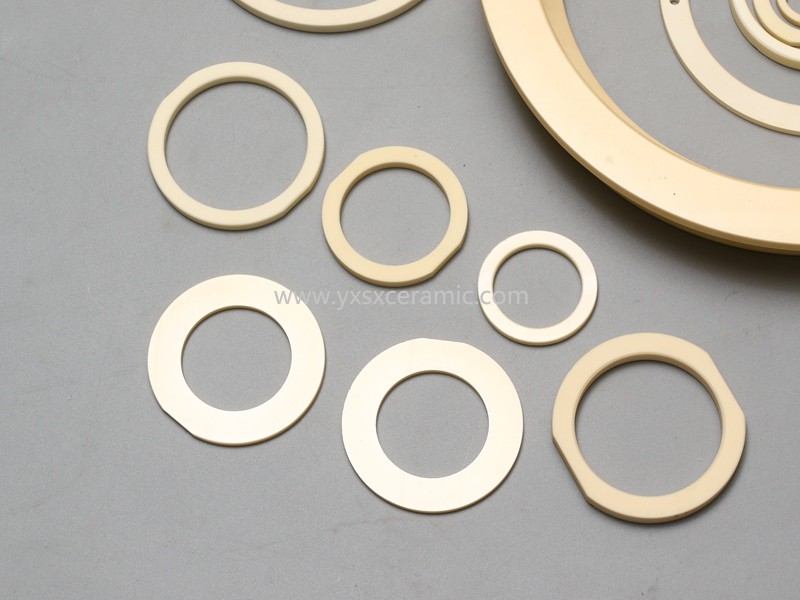
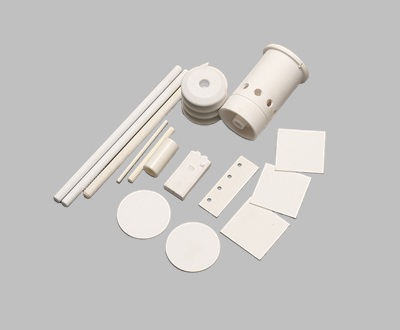
유체 제어 시스템에서 내부 누출이나 외부 유출이 발생할 경우, 정기적인 점검을 실시해야 합니다.산업 세라믹 밸브 플레이트 대사 밀봉 기준선을 완전히 재설정할 수 있습니다. 최신 세라믹 밸브 플레이트는 주로 99% 고순도 알루미나 또는 탄화규소로 제조됩니다. 고정밀 CNC 연삭 및 연마 공정을 통해 접촉면의 표면 조도(Ra)를 0.1μm 미만으로 제어하여 매우 높은 평탄도를 구현합니다.
이 초박형 세라믹 밸브 플레이트 두 개를 결합하면 분자 수준에서 거의 완벽한 "견고한 밀봉"이 형성되어 엘라스토머 보조 장치 없이도 누출이 전혀 없는 완벽한 차단이 가능합니다. 더욱 중요한 것은 고순도 세라믹이 거의 모든 강산, 강염기 및 유기 용매에 대해 화학적으로 불활성이므로 재료 열화로 인한 오염 위험을 방지한다는 점입니다.
다단 원심 펌프 및 자기 구동 펌프의 구조 설계에서 임펠러의 회전은 필연적으로 막대한 축 방향 추력을 발생시킵니다. 이 추력은 일반적으로 스러스트 베어링이나 와셔에 의해 흡수됩니다. 냉각 및 윤활을 위해 펌핑 유체 자체에 의존하는 일부 시스템에서는 유체 부족이나 가스 잠김(건식 운전 상태)이 발생하면 기존의 금속 또는 플라스틱 와셔가 마찰 과열로 인해 수 초 만에 녹거나 고착되어 모터 로터 시스템이 완전히 파손될 수 있습니다.
통합 알루미나 세라믹 스러스트 와셔 펌프 로터 설계에 적용된 이 부품은 탁월한 내마모성을 제공합니다. 99% 알루미나 세라믹은 건조 마찰 계수가 매우 낮고(윤활유를 사용하지 않은 상태에서도 금속 간 마찰보다 훨씬 낮음) 치수 안정성이 뛰어납니다. 순간적인 고온 마찰 상황에서도 세라믹 와셔는 열팽창 변형이나 용접 현상이 발생하지 않습니다. 이는 시스템 건식 운전 경보 발생 시 운전자에게 귀중한 대응 시간을 확보해 주어 장비의 치명적인 손상을 방지합니다.
| 비용 구성 요소(USD) | 전통적인 금속/폴리머 부품 구성 | 전체 세라믹 부품 구성(알루미나/지르코니아) |
|---|---|---|
| 초기 조달 및 조립 비용 | 450달러 | 1,200달러 |
| 연평균 부품 교체 빈도 | 2.5배 | 0.2회 (약 5년에 한 번) |
| 단일 교체 부품 및 공임 비용 | 200달러 | 250달러 |
| 지난 5년간 총 유지보수 가동 중단 시간(시간) | 80시간 | 6시간 |
| 가동 중단으로 인한 예상 생산 손실 | 12,000달러 | 900달러 |
| 5년간 총 소유 비용(TCO) | 15,450달러 | 2,400달러 |
(참고: 생산 손실은 시간당 150달러라는 일반적인 산업 평균을 기준으로 추정되었습니다.)
특수 세라믹의 기계적 특성은 금속과 완전히 다르기 때문에 유체 장비를 업그레이드할 때 기존 도면에 따라 금속 부품을 세라믹으로 직접 가공하여 교체할 수 없습니다. 특수 세라믹 부품을 성공적으로 적용하려면 하이브리드 조립 설계 지침을 엄격히 준수해야 합니다.

24/7 Call Service +8618018373518
이메일 : yxshenxing88@vip.163.com
주소 : No. 2022, Baoyang Road, Chuanbu Industrial Zone, Yixing City, Wuxi City, Jiangsu Province


 2025-10-14
 2025-10-14
메시지를 남겨주세요
스캔 후 위챗으로 전송 :

스캔해서 WhatsApp으로 전송 :